Greenwich Market Upholstery Cleaning and Stain Removal: A Practical Local Guide
If your sofa has picked up a coffee ring, your dining chairs are looking a bit tired, or a market-day spill has left a mark that just will not budge, you are not alone. Greenwich Market upholstery cleaning and stain removal is one of those jobs that sounds simple until you actually have to do it. Fabric type, stain age, dyes, previous cleaning attempts, and even the room's airflow all change the result.
This guide walks through what professional upholstery cleaning involves, how stain removal works in real life, and how to decide what is safe to tackle yourself. You will also find a practical checklist, a comparison of common methods, and a realistic view of what to expect before you book. No fluff. Just useful, local, human advice.
Table of Contents
- Why Greenwich Market upholstery cleaning and stain removal Matters
- How Greenwich Market upholstery cleaning and stain removal Works
- Key Benefits and Practical Advantages
- Who This Is For and When It Makes Sense
- Step-by-Step Guidance
- Expert Tips for Better Results
- Common Mistakes to Avoid
- Tools, Resources and Recommendations
- Law, Compliance, Standards, or Best Practice
- Options, Methods, or Comparison Table
- Case Study or Real-World Example
- Practical Checklist
- Conclusion
- Frequently Asked Questions
Why Greenwich Market upholstery cleaning and stain removal Matters
Upholstery does a lot of work quietly in the background. Sofas collect skin oils, dust, crumbs, pet hair, and airborne grime. Dining chairs get splashed with sauces and drinks. Armchairs near a window fade faster, while the seat you use every night can develop a darker patch where hands and legs touch the fabric most. It is a normal part of living in a home or running a guest-facing space, but it still matters.
In Greenwich Market and the surrounding area, homes and flats tend to combine character with busy daily life. That means older furniture often stays in use longer, which is great for sustainability, but it also means stains can become deeply set if they are ignored. A fresh spill is one thing. A stain that has had weeks to oxidise and sink into the fibres is another story entirely.
There is also the comfort factor. Clean upholstery changes how a room feels. You notice it in the smell, the colour, and even the way the fabric sits under your hand. A well-cleaned sofa can make the whole room feel calmer. A grubby one? Honestly, it can nag at you every time you walk past it.
For commercial or hospitality settings nearby, presentation matters even more. A stained chair in a waiting area, cafe, or rental property can create a poor first impression fast. And because upholstery often looks deceptively clean from a distance, people sometimes miss how much embedded dirt is actually there.
Expert summary: The best upholstery cleaning is not just about making fabric look lighter. It is about removing soil safely, treating stains correctly, and protecting the textile so it stays usable for longer.
How Greenwich Market upholstery cleaning and stain removal Works
Professional upholstery cleaning usually starts with identifying the fabric. That sounds obvious, but it really is the make-or-break step. Cotton, wool blends, synthetic microfibre, velvet, linen, and leather all respond differently to water, heat, detergents, and agitation. If you treat a delicate fabric like a robust one, it can shrink, distort, or end up with water marks. Not ideal.
After identifying the fabric, the cleaner usually inspects the item for staining, wear, colour transfer, and any weak seams or previous repairs. Stains are then classified. A food stain behaves differently from a tannin stain like tea or coffee. Grease behaves differently again. Dye transfer, ink, blood, makeup, and pet accidents each need a separate approach. There is no single magic spray, despite what some bottles promise.
The cleaning process often includes dry soil removal first. This means vacuuming thoroughly with the right attachment to lift dust and grit from seams and cushions. That step matters more than people think. If loose grit stays in the fabric, it can smear during wet cleaning and turn into muddy residue.
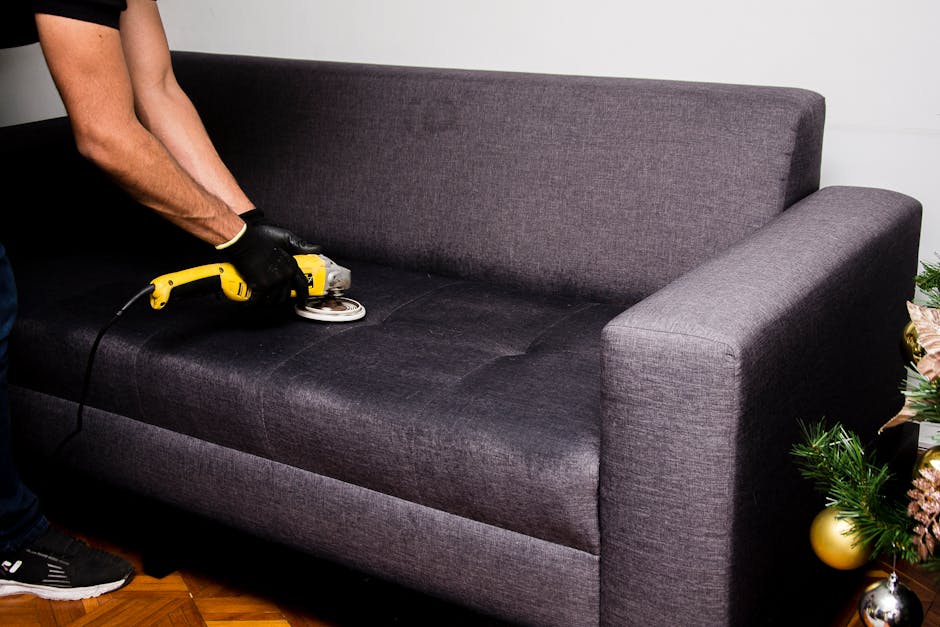
Then comes spot treatment. Depending on the stain, a cleaner may use targeted pre-treatment, gentle agitation, dwell time, or careful extraction. In many cases the goal is controlled cleaning rather than aggressive scrubbing. Truth be told, scrubbing usually makes things worse.
Finally, the fabric is rinsed or extracted so that detergent and loosened soil are removed, not just redistributed. Drying is the last major stage. Good airflow helps a lot. On a damp London day, which is most days if we are honest, drying can take a bit longer than expected.
If you are arranging a visit, it helps to review the company's general approach and standards before booking. Pages such as the about us information, insurance and safety details, and health and safety policy can give you a better sense of how seriously a provider treats care, risk, and professionalism.
Key Benefits and Practical Advantages
There are the obvious benefits, like a cleaner-looking sofa. But the practical advantages go a bit deeper than that.
- Better appearance: Stains fade, colours look more even, and tired upholstery looks far less neglected.
- Improved freshness: Dust, odours, and trapped residue are reduced, which makes a room feel cleaner overall.
- Longer fabric life: Removing soil and spot residues can slow down fibre wear and premature deterioration.
- Safer fabric care: Professional treatment reduces the risk of water marks, dye bleed, or accidental damage from DIY over-cleaning.
- More useful furniture: A sofa you are embarrassed to sit on is basically wasted space. Clean it, and you use it properly again.
- Better guest impression: Especially helpful in rentals, offices, studios, or client-facing spaces where presentation affects trust.
There is also a sustainability angle. Cleaning and restoring upholstery can delay replacement, which is often better than sending perfectly usable furniture to landfill just because of one stubborn stain. If that matters to you, the company's recycling and sustainability approach is worth checking alongside the cleaning service itself.
One more practical advantage: good cleaning makes future maintenance easier. Once the fabric is free from old residue, routine vacuuming and prompt spot care tend to work better. The surface is simply more cooperative.
Who This Is For and When It Makes Sense
Not everyone needs deep upholstery cleaning every few months. Some people can get by with basic maintenance and careful spot treatment. Others need a proper clean sooner. It depends on use, fabric, and household life.
This service usually makes sense if you are dealing with any of the following:
- a visible stain that has not lifted with gentle cleaning
- odours from pets, food, smoke, or dampness
- discolouration on armrests, seat cushions, or headrest areas
- fabric that looks flat, dull, or patchy
- move-out or pre-sale presentation needs
- commercial seating that sees regular use
- delicate upholstery you do not want to risk with DIY methods
It is especially sensible when the stain is fresh but you are not confident about the fabric. That tiny pause before you reach for a random cleaner? A good instinct. A lot of damage happens in that pause-less moment when someone grabs the nearest product and hopes for the best. We have all done something like that, and then regretted it later.
If you want a clearer view of pricing before deciding, the company's pricing and quotes page can help you understand how a proper assessment is usually handled. And if you are ready to ask about a specific piece of furniture, the simplest next step is to contact the team directly.
Step-by-Step Guidance
If you are trying to understand how a stain removal job should unfold, this is the practical version. Not the glossy brochure version.
1. Identify the upholstery fabric
Check the care label if there is one. Look for fabric type and cleaning codes. If the label is missing, faded, or impossible to read, treat the item cautiously. Silk, viscose-rich blends, antique fabrics, and some velvets need especially careful handling.
2. Blot first, always
If the spill is fresh, blot it gently with a clean white cloth or absorbent paper. Do not rub. Rubbing drives the stain deeper and can rough up the pile. Gentle pressure is enough.
3. Test in an inconspicuous spot
Before using any cleaning product, test a hidden area such as the back edge or under a cushion. Watch for colour change, texture change, or a tide mark. If the fabric reacts badly, stop there.
4. Remove dry soil
Vacuum the upholstery thoroughly, including seams, piping, and corners. Dry soil can turn a stain treatment into a muddy mess if you skip this step.
5. Treat the stain according to type
Food and drink stains often need a different approach from grease or dye. Enzyme-based methods may help with organic residues, while solvent-sensitive stains may require specialist care. You do not need to know every chemical interaction, but you do need to avoid guessing. Guessing is a surprisingly expensive hobby.
6. Clean the surrounding area
Many stains leave a halo if only the centre is treated. A broader, controlled clean helps the patch blend into the rest of the fabric instead of standing out more than before.
7. Extract, rinse, or finish safely
Detergent residue should be removed where possible. Leftover product attracts dirt and can make the area re-soil faster. Then allow good airflow to support drying.
8. Check the result after drying
Some stains reappear slightly as fabric dries, especially if they were oily or deeply set. A second assessment after drying is normal. That is one reason professional cleaning is usually more reliable than a quick one-pass attempt.
Expert Tips for Better Results
Here are the little things that make a big difference. The kind of stuff people often learn the hard way.
- Act quickly, but calmly. The first 10 minutes matter more than the first 10 minutes of panic.
- Use white cloths for blotting. Coloured cloths can transfer dye, especially on damp fabric.
- Avoid overwetting. Too much liquid can push a stain deeper and leave rings behind.
- Work from the outside in. This helps stop the stain from spreading.
- Ventilate the room. Open windows if weather allows, and use gentle airflow. London flats can hold moisture longer than you expect.
- Be cautious with steam. Heat can set some stains, particularly protein-based ones and certain dyes.
- Consider the whole item, not just the spot. If one patch is cleaned aggressively and the rest is untouched, the difference can look worse.
And here is a simple one: if you are not sure whether the stain is oil-based, water-based, or dye-related, stop and reassess before adding product. A few seconds of thinking can save a sofa. Sounds dramatic, but not really.
For a service provider, transparent support matters too. A useful site should make it easy to understand policies, payments, and what happens if something goes wrong. Pages like payment and security information, terms and conditions, and complaints procedure are good signs that customer care is taken seriously.
Common Mistakes to Avoid
Most upholstery damage comes from a small set of repeat mistakes. If you can avoid these, you are already ahead.
- Scrubbing hard: This can spread stains, rough the weave, and permanently change the fabric finish.
- Using the wrong cleaner: A product that works on a kitchen worktop may be far too harsh for upholstery.
- Soaking the fabric: Excess moisture can cause rings, backing damage, or slow drying that leads to odour.
- Ignoring the fabric code: Water-safe is not the same as all-purpose-safe.
- Treating a stain too late: The older the stain, the more likely it is to bind with the fibres.
- Masking odours with fragrance: That just covers the smell temporarily. It does not solve the problem.
- Cleaning only the visible centre: This often leaves a noticeable outline once dry.
A quieter mistake is impatience. People expect an instant result, then overdo it. Real upholstery care often needs a bit of drying time, a second check, and a more measured finish. Slightly boring? Maybe. Effective? Absolutely.
Tools, Resources and Recommendations
You do not need a van full of gear to maintain upholstery well, but having the right basics helps. If you are doing light home care between professional cleans, the following are sensible to keep around:
- a vacuum with an upholstery attachment
- clean white microfibre cloths
- soft-bristled brush for lifting pile gently
- a mild fabric-safe spot cleaner suitable for the fabric type
- an absorbent towel for fresh spills
- a fan or good natural airflow for drying
For more formal service planning, it helps to compare providers on more than price. Read how they describe their process, whether they explain safety and liability clearly, and whether they make it easy to understand customer support and data handling. The following pages can help you judge that: about the company, privacy policy, and accessibility statement.
If you care about lower-waste choices, ask how fabric cleaning is approached to reduce unnecessary replacement. In real terms, that often means careful restoration, sensible product use, and avoiding wasteful over-treatment. Small things add up.
Law, Compliance, Standards, or Best Practice
Upholstery cleaning is not a heavily regulated household task in the way some trades are, but there are still important standards and best-practice expectations. In the UK, any reputable cleaning business should think carefully about customer safety, chemical handling, insurance, and fair terms. That does not mean every job has formal legal complexity. It does mean you should expect responsible conduct.
Good practice usually includes:
- using suitable products for the fabric type
- explaining any limitations before work begins
- protecting surrounding furnishings and floors
- handling water and equipment safely
- being clear about drying expectations
- carrying appropriate insurance and safety procedures
For customers, the main thing is simple: choose a provider that is transparent and careful. If a company is vague about safety, payment, or complaints handling, that is a small warning bell. Not necessarily a deal-breaker, but worth noticing. It is also sensible to read the provider's insurance and safety information and health and safety policy before booking, especially for valuable upholstery or awkward access.
Data handling matters too. If you request quotes, give contact details, or book online, you should know how your information is used. That is where the site's privacy and payment pages come in, and why a clear policy set feels reassuring rather than bureaucratic.
Options, Methods, or Comparison Table
Different upholstery and stain problems call for different approaches. Here is a simple comparison to help you think clearly before you act.
| Method | Best for | Strengths | Risks / Limits |
|---|---|---|---|
| Dry vacuum maintenance | Routine dust and surface debris | Fast, safe, and good for regular upkeep | Will not remove set stains or odours |
| DIY spot cleaning | Fresh, small spills on suitable fabrics | Convenient and low-cost | High risk of rings, spreading, or colour damage if done badly |
| Professional stain treatment | Set stains, delicate fabrics, problem areas | More controlled and fabric-aware | May need inspection and drying time |
| Deep upholstery cleaning | General soil, odours, and overall refresh | Improves appearance and freshness across the whole item | Not every stain can be fully removed |
If you are deciding between DIY and professional help, ask yourself one honest question: would you be comfortable replacing this item if things went wrong? If the answer is no, you probably want the safer route.
Case Study or Real-World Example
Picture a typical scenario in a Greenwich flat on a Friday evening. A fabric sofa has a coffee spill on one seat cushion, a faint greasy patch near the armrest, and general dullness from daily use. The owner has already tried a supermarket spray on the coffee mark. It removed a little of the colour, but not cleanly. The patch now looks slightly larger than before, which is annoyingly common.
In a case like that, the sensible approach is not to keep adding more product. The stain needs careful identification first. The coffee mark may be tannin-based, the greasy patch may need solvent-aware treatment, and the overall dullness suggests the whole cushion may need balanced cleaning so the result does not look patchy.
What usually works best in this kind of real-world job is a measured sequence: vacuum, inspect, isolate the stain type, spot treat carefully, then clean enough of the surrounding area to blend the result. If the fabric is delicate, drying is managed slowly so the cushion does not distort. Nothing dramatic. Just good, steady work.
The useful lesson? Mixed-stain situations are more common than people think. A sofa often has several problems at once, not just one tidy mark in the middle. That is why an experienced cleaner looks at the whole item rather than chasing one stain like a detective in a hurry.
Practical Checklist
Use this quick checklist before you book or attempt any upholstery cleaning yourself.
- Check the fabric label or care guidance if available
- Identify whether the stain is fresh or set
- Blot, do not rub
- Test any product in a hidden area
- Vacuum loose soil first
- Think about whether the item is valuable, delicate, or sentimental
- Consider whether the stain has already been treated once
- Ask about drying time and access requirements
- Review the provider's safety and insurance information
- Make sure you understand pricing before confirming
A small checklist, yes. But it saves a lot of awkward moments. Especially the "why is the stain suddenly bigger?" moment.
Conclusion
Greenwich Market upholstery cleaning and stain removal is really about restoring comfort, not just improving appearance. Done well, it helps furniture last longer, keeps rooms feeling fresher, and avoids the false economy of replacing pieces too early. Done badly, it can leave rings, rough patches, or permanent damage. So the real skill is not aggression; it is restraint, judgement, and fabric-aware care.
If your upholstery has a stubborn stain, a lingering smell, or just years of everyday use showing through, the best next step is usually a proper assessment rather than another round of guesswork. A careful, transparent service should make the process feel straightforward, not stressful.
Get a free quote today and see how much you can save.
And if you are the sort of person who likes to keep a nice home feeling properly lived-in but still looked after, that is a very good instinct. Small bit of care now, less hassle later. Simple as that.
Frequently Asked Questions
How often should upholstery be professionally cleaned?
It depends on use, fabric, and household life. A lightly used chair may only need periodic cleaning, while a family sofa, pet-friendly home, or guest-facing space may benefit from more frequent attention. Visible dirt is only part of it; odour and embedded soil matter too.
Can all stains be removed from upholstery?
Not always. Some stains set deeply, some react with fibres, and some are altered by previous DIY attempts. A good cleaner can often improve the appearance significantly, but complete removal is not something anyone should promise blindly.
Is DIY upholstery cleaning safe?
Sometimes, yes. Fresh spills on sturdy fabric can often be blotted and treated gently. But once you are dealing with delicate fibres, unknown fabric codes, or an old stain, DIY cleaning becomes much riskier. A little caution goes a long way.
What is the biggest mistake people make with stain removal?
Rubbing. It spreads the stain, damages the pile, and can push residue deeper into the fabric. Too much liquid is another big one. People often mean well, then accidentally make the problem larger.
How long does upholstery take to dry after cleaning?
Drying time varies depending on fabric, room temperature, ventilation, and how much moisture was used. Good airflow helps a lot. On a damp day, it may take longer than you hoped, so planning ahead is wise.
Will cleaning remove odours as well as stains?
Often it improves them a great deal, especially if the smell is caused by embedded residue, spills, or general soil. But if there is a deeper issue such as damp backing or a repeated contamination source, that may need extra attention.
Can steam cleaning damage upholstery?
It can, if used on the wrong fabric or with too much heat and moisture. Steam is not automatically bad, but it is not automatically safe either. Fabric identification matters more than the machine label.
Is it worth cleaning a sofa before moving house?
Usually, yes. It can improve the appearance of the property, reduce odours, and make the furniture more presentable for the next stage of use or sale. It is one of those jobs that quietly pays off.
What should I ask before booking a cleaner?
Ask about fabric handling, stain treatment approach, drying expectations, insurance, and what happens if a stain cannot be fully removed. You can also review practical pages such as pricing and quotes and terms and conditions to understand the service clearly.
Why does a stain sometimes look worse after cleaning?
That can happen if residue has been lifted unevenly, if the fabric has dried with a halo, or if the stain was only partially removed. It is frustrating, but not unusual. Careful re-treatment or full-area balancing can often improve the result.
What types of upholstery are most delicate?
Natural fibres, some velvets, viscose blends, antique fabrics, and lightly dyed textiles often need the most care. When in doubt, treat the fabric as delicate until you know more. A cautious approach is rarely wasted.
How do I choose a trustworthy upholstery cleaning service?
Look for clear communication, sensible safety information, visible policies, and realistic promises. A trustworthy provider should explain what they can and cannot do, rather than overselling the result. If you want to check the company background first, their about us page is a sensible place to start.