Greenwich Council waste rules for cleaning companies: a practical guide for safe, compliant waste handling
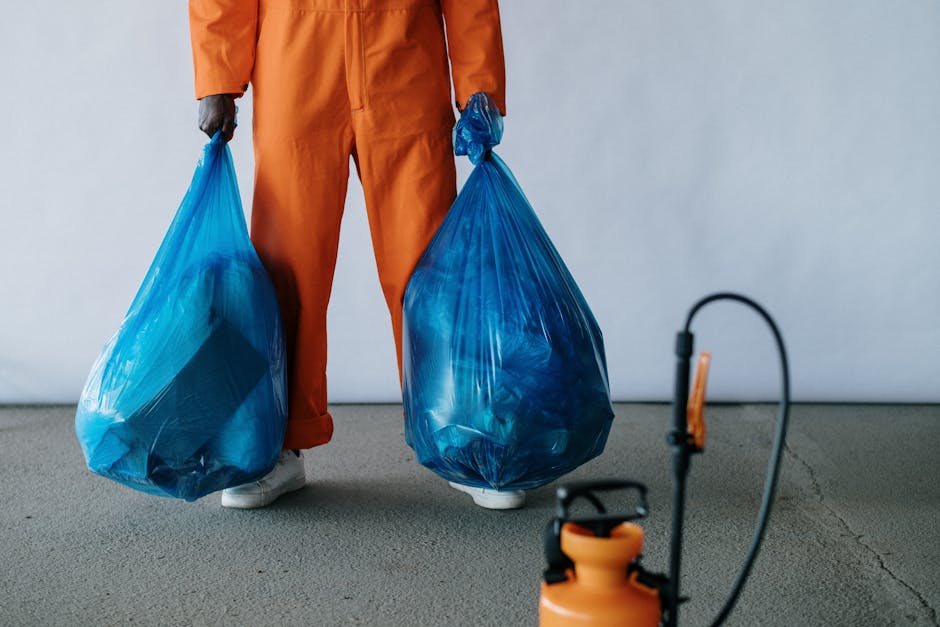
If you run a cleaning business in Greenwich, waste is never just "rubbish in a bag and out the door." The way you collect, store, move, and dispose of waste can affect your reputation, your costs, and whether a client feels confident hiring you again. Greenwich Council waste rules for cleaning companies matter because everyday jobs generate more than dust and dirty cloths: think bagged waste, packaging, used PPE, food debris, post-build spoil, and sometimes awkward items that need extra care.
This guide breaks down the practical side of Greenwich Council waste rules for cleaning companies in plain English. You will get a clearer picture of what usually counts as business waste, how it should be separated and presented, where cleaning firms often trip up, and what good practice looks like on real jobs. If you also handle specialist work such as deep cleaning, end of tenancy cleaning, or after builders cleaning, the same principles still apply - just with more planning.
Truth be told, waste compliance is one of those unglamorous parts of the job that clients rarely see. But they do notice when it is handled badly. And councils notice too.
Table of Contents
- Why Greenwich Council waste rules matter
- How the waste system works in practice
- Key benefits and practical advantages
- Who this is for and when it makes sense
- Step-by-step guidance
- Expert tips for better results
- Common mistakes to avoid
- Tools, resources and recommendations
- Law, compliance, standards, and best practice
- Options, methods, or comparison table
- Case study or real-world example
- Practical checklist
- Conclusion
- Frequently asked questions
Why Greenwich Council waste rules for cleaning companies Matters
Waste rules are about more than tidiness. For a cleaning company, they shape how work is delivered from the first sweep to the final bag leaving site. If you are cleaning homes, offices, managed apartments, or post-works premises in Greenwich, waste handling becomes part of the service standard itself.
Why does this matter so much? Because waste from cleaning jobs often falls into a grey area for clients. A household may assume the cleaner will "take everything away"; an office manager may think the bins are someone else's problem; a landlord may not realise that left-behind items need a different process from general waste. Without clear rules and consistent practice, confusion creeps in fast.
In our experience, the biggest issues tend to come from three places: mixed waste, unclear responsibility, and poor documentation. Mixed waste is the obvious one. If you put general rubbish, recyclables, and potentially contaminated waste into one bag, you make disposal harder and often more expensive. Unclear responsibility is just as common. Who arranged the waste collection? Who owns the materials once they are removed? Who pays for the skip, the uplift, or the tip fee? If no one can answer that confidently, the job can unravel at the end.
And then there is reputation. Clients may not use the word "waste compliance," but they will say things like, "They left a mess behind," or "They didn't explain what would happen to the rubbish." That little gap between expectation and process can hurt referrals. A lot.
Expert summary: For cleaning companies in Greenwich, waste rules are really a service-quality issue as much as a compliance issue. If you plan waste properly, you protect the client, reduce risk, and avoid awkward surprises at handover.
It also links closely with sustainability. Many clients now expect a cleaner, more responsible approach to disposal, especially for recurring domestic work and commercial contracts. If your company publishes its values clearly through a page such as recycling and sustainability, that helps set expectations before the first bag is tied off.
How Greenwich Council waste rules for cleaning companies Works
The practical answer is this: cleaning companies must manage waste in a way that is safe, lawful, and suitable for the type of waste created. Greenwich Council sets local expectations around collection and presentation, while wider UK rules govern how business waste is stored, transferred, and handled. You do not need to memorise every line of policy to work well, but you do need a system.
Most cleaning jobs generate one or more of the following waste streams:
- General waste: dust, wipes, disposable cloths, food residue, broken non-recyclable items
- Recyclables: cardboard, some plastics, glass, metal packaging, clean paper
- Bulky waste: old furniture, broken appliances, heavy clutter from clearance work
- Commercial waste: waste produced by office or business premises rather than a household
- Potentially contaminated waste: items affected by bodily fluids, mould, strong chemicals, or hazardous substances
That last category deserves care. Not every dirty item is hazardous, but some are. Strong cleaners, solvents, sharps, asbestos disturbance, or biological contamination may require specialist handling. Most routine domestic and office cleans will not involve that level of risk, but a good company should know where the line is.
For most standard jobs, the workflow is straightforward:
- Identify the waste type before work begins.
- Confirm who is responsible for removal and disposal.
- Separate recyclable and non-recyclable material where practical.
- Bag, label, and store waste safely until collection or uplift.
- Use approved disposal routes rather than guessing.
- Keep records where the waste is business waste or moved off site.
That may sound simple. And it should be. But simple systems are the ones that actually get used on a rainy Tuesday when the van is full and everyone wants to go home.
Where a contract includes clearance or removal, make sure the scope is clear. A cleaning team doing house clearance style work will need more planning than a standard weekly tidy, especially if furniture, old linens, or mixed clutter are involved. The same applies to specialist cleaning such as office cleaning or domestic cleaning, where waste from bins, kitchens, and communal areas can differ quite a bit from site to site.
Key Benefits and Practical Advantages
Getting waste rules right brings practical benefits that go beyond "staying compliant." A well-run cleaning company usually feels calmer, more professional, and easier to trust.
- Fewer disputes with clients: Everyone knows what will be removed, what stays, and who is paying for disposal.
- Cleaner handovers: Properties, offices, and rental units feel properly finished rather than half-done.
- Lower contamination risk: Proper separation reduces the chance of mixing waste that should not travel together.
- Better cost control: Mixed or poorly sorted waste can cost more to remove.
- Improved sustainability: Recyclable material has a better chance of being handled responsibly.
- Stronger client confidence: Good waste practice signals good operational discipline.
There is also a subtle but important commercial benefit. When your waste process is tidy, your quoting process becomes clearer too. You can explain what is included, what is excluded, and what may create an extra charge. That makes the whole job feel less vague. People like that. They really do.
If you are building or refining a wider service offer, it helps to keep waste handling in step with broader service pages such as cleaning company standards, office cleaners requirements, and the more specialised delivery of one-off cleaning. A good process scales nicely. A messy one just gets messier.
Who This Is For and When It Makes Sense
This topic is relevant to far more people than many cleaning firms first realise. If your team touches waste in any form, these rules affect you.
It matters most for:
- local cleaning companies working in Greenwich
- sole traders and small teams with their own van waste
- commercial cleaners servicing offices, retail units, and shared buildings
- end of tenancy teams clearing leftover items and bagged rubbish
- deep-clean specialists handling heavy build-up and disposable materials
- post-build cleaning teams dealing with dust, packaging, and site waste
- house clearance providers handling mixed, bulky, and sometimes awkward waste
It also matters if you are a client hiring a cleaner and you want to understand what a good provider should be doing. A reputable company will not shrug and say, "We'll sort it out later." They will explain the process in advance. That transparency is part of the service.
When does it make sense to pay extra attention? Pretty much any time waste is more than a couple of bin bags. But especially when you are cleaning a property after a tenancy ends, after building work, or after a long period of neglect. Those jobs can include old food, broken household items, packaging, sharp objects, or heavy dust that needs careful containment.
If the job is mostly routine upkeep, such as a recurring house cleaning appointment or regular home cleaners visit, waste management is usually simpler. Still, even there, consistency matters.
Step-by-Step Guidance
Here is a practical way to handle Greenwich waste expectations without overcomplicating the job.
1. Confirm the waste scope before the clean begins
Ask what needs removing, what must stay, and whether there is anything unusual: broken glass, sharp items, old appliances, paint tins, damp materials, or heavy clutter. This one conversation can save a lot of back-and-forth later.
2. Classify the waste as you go
Do not leave everything for the end. If waste is sorted while the team works, it is easier to keep separate bags, separate boxes, and separate disposal routes. A few minutes here saves time at the van. Usually.
3. Keep clean recyclables apart where feasible
Cardboard packaging, clean paper, and some other dry recyclables should not be mixed with dirty cloths or food residue. Once they are contaminated, they often stop being recyclable in practice.
4. Bag and seal waste safely
Use sturdy bags, avoid overfilling, and tie off anything sharp or messy with care. If the job produces liquids or damp waste, contain it properly so it does not leak in transit.
5. Store waste safely on site until removal
Waste should not block exits, create a trip hazard, or sit somewhere warm and smelly for no reason. A hallway that smells faintly sour by mid-afternoon is nobody's idea of a good handover.
6. Arrange the correct disposal route
Depending on the amount and type of material, waste may need collection by the client, removal by the cleaning company, or a separate bulky-waste solution. Do not improvise if the waste is outside ordinary household rubbish.
7. Keep simple records for business waste
If you are moving business waste, maintain clear paperwork and invoice notes. Good record-keeping is one of those boring habits that quietly protects you later.
8. Review the job afterwards
Ask what waste was generated, whether the client understood the process, and whether the team followed the plan. Short review, better next job. Easy win.
Expert Tips for Better Results
Here are the bits that experienced cleaning teams tend to learn the hard way - ideally, you get them the easy way.
- Quote for waste separately when the volume is uncertain. A flat rate can work for standard jobs, but bulky or mixed waste needs a bit more care.
- Use a "what stays, what goes" walk-through. It reduces arguments later and helps the client feel involved.
- Train staff to spot borderline items. Old chemicals, batteries, needles, damp insulation, and broken electrics should not be treated casually.
- Keep a basic waste decision sheet in the van. When you are busy, memory gets fuzzy. Paper doesn't.
- Build sustainability into the conversation. A simple explanation of what is recycled, separated, or disposed of responsibly goes a long way.
- Check access before arrival. If waste must pass through narrow stairwells or shared entrances, you need a plan that avoids damage and complaints.
For teams doing specialist work like oven cleaning, window cleaning, or soft no, let's not invent that one - for work like sofa cleaning and upholstery cleaning, waste tends to be lighter but still needs proper handling, especially when disposable covers, vacuum debris, and packaging build up over the course of a long job.
One small practical tip: label bags by room or task when the property is large. It sounds fussy. It is actually brilliant on site.
Common Mistakes to Avoid
Even good cleaning companies slip up on waste from time to time. These are the most common problems.
- Assuming the client wants removal without asking. Never guess.
- Mixing everything together. It looks efficient for about five minutes, then becomes a headache.
- Leaving bulky waste in common areas. That can trigger complaints quickly, especially in flats and managed buildings.
- Not checking if waste is business waste. Office waste is not the same as domestic bin waste.
- Failing to identify hazardous items. Some waste needs specialist handling, and pretending otherwise is risky.
- Forgetting disposal costs in the quote. That is how margins quietly disappear.
- Using vague language in contracts. "All waste included" sounds nice until the job includes a broken wardrobe, three bin bags, and a dismantled shelf unit.
A common real-world example: a cleaner arrives for an end-of-tenancy job, clears surface waste, and then finds a loft full of mixed items the client expected to be taken away. If that was never discussed, the team is stuck. The cleaner feels awkward, the client feels disappointed, and the day gets longer than planned. It happens more often than people admit.
That is why strong service pages and fair terms matter. Clear information on terms and conditions, pricing and quotes, and health and safety policy supports the job before anyone picks up a bag.
Tools, Resources and Recommendations
You do not need a huge system to manage waste well. A few practical tools make a difference:
- Heavy-duty bin bags for general waste and contaminated disposables
- Recycling boxes or separate sacks for clean dry recyclables
- Gloves and basic PPE for staff handling unknown or awkward waste
- Label tape or marker pens for categorising bags by room or job type
- A simple waste log for business waste movements and disposal notes
- Checklists for pre-job and post-job waste review
Some companies also find it useful to keep a short internal guide that covers which jobs typically generate more waste. For example, a standard domestic clean is usually light on waste, while a builders clean or end of tenancy clean may produce much more packaging, dust, and discardable material.
If you are growing a business and want operations to feel smoother, it helps to standardise the basics. That may include a consistent quote process, staff training, and a clear public explanation of how waste is handled. You can support that with your wider business information, including about us, insurance and safety, and contact us pages so clients can quickly see that the company is organised and reachable.
Law, Compliance, Standards, and Best Practice
This is the careful bit. Waste handling can involve legal duties and local expectations, so it is best to stay cautious and practical rather than overstate certainty. Cleaning businesses in Greenwich should follow the relevant UK waste duty of care principles, manage controlled waste correctly, and comply with any specific conditions attached to commercial contracts, leases, or managed buildings.
In plain terms, duty of care means you should take reasonable steps to make sure waste is stored, transferred, and disposed of responsibly. For a cleaning company, that usually means:
- knowing what the waste is
- keeping it secure and contained
- passing it to the right person or service
- avoiding illegal dumping or careless disposal
- keeping appropriate records where required
Local councils may also have rules on how waste is presented for collection, what can be left out, and when collections happen. Those details can vary, so the safest approach is to check the current local guidance whenever you take on a new contract or unusual job.
There is a practical distinction worth making here: household waste, business waste, and special waste are not the same thing. A cleaner moving rubbish from a private home is not automatically operating under the same assumptions as a business clearing office bins or disposing of post-refurbishment debris. That distinction matters, especially when a job includes mixed materials.
Best practice is usually simpler than people think:
- make responsibilities explicit in writing
- train staff to pause when a waste item looks unusual
- avoid mixing waste streams unnecessarily
- plan for disposal before the job starts, not after the van is full
- keep client communication honest and specific
If your business includes more than standard cleaning - for example, heavier clearance work or large post-works jobs - the compliance burden increases. In those cases, a stronger internal process is worth the effort. It saves time, but more importantly, it stops errors before they spread.
Options, Methods, or Comparison Table
Different jobs call for different waste approaches. Here is a simple comparison that can help teams decide what is appropriate.
| Method | Best for | Pros | Watch-outs |
|---|---|---|---|
| Standard bagging and client disposal | Routine home and light office cleans | Simple, low-cost, quick to organise | Only works when waste volume is small and expectations are clear |
| Cleaner-arranged removal | End of tenancy, deep cleans, larger commercial jobs | Convenient for clients, more controlled handover | Needs clear pricing and record-keeping |
| Bulky-item uplift | Furniture, large packaging, clearances | Handles large or awkward items safely | May need extra access planning and cost approval |
| Specialist disposal route | Contaminated or hazardous materials | Safer and more responsible | Requires judgement; do not improvise |
For many local teams, the choice is not really between "cheap" and "expensive." It is between "clear process" and "messy process." The clear one usually wins in the long run.
Case Study or Real-World Example
Here is a realistic example from the kind of work cleaning companies in Greenwich often see.
A small office on a busy road finishes a tenancy and asks for a deep clean before handover. The client assumes all waste from desk drawers, bins, and kitchen areas will be removed. On inspection, the cleaning team finds a mix of paper waste, food packaging, broken stationery, old cables, and a few items that clearly belong to the departing tenant. Rather than guessing, the team separates the waste into three groups: general rubbish, clean recyclables, and items that need the client's confirmation.
They document the waste on site, explain what can be disposed of immediately, and flag the rest. The office handover goes ahead on time, and there is no argument about what was removed. The difference was not fancy equipment. It was a ten-minute conversation and a disciplined sorting process.
Another example: a domestic clean in a flat near the river produces only a small bag of waste, but the building has strict common-area rules. The cleaner carries the bag out carefully, avoids leaving anything in the corridor, and confirms whether the resident wants disposal as part of the service. That sounds tiny, almost too small to matter. But in a shared building, tiny things matter a lot.
If you have ever had a client say "oh, I thought that was included," you already know why this section exists.
Practical Checklist
Use this quick checklist before and after any job that might generate waste.
- Have we identified all waste types on this job?
- Has the client been told what will be removed and what will stay?
- Do we need separate handling for recyclables, general waste, or contaminated items?
- Are there any sharp, heavy, wet, or unusual materials?
- Do we know who is arranging disposal?
- Have we priced waste removal correctly?
- Are staff equipped with gloves, bags, and labels?
- Will waste storage create any access or fire-safety issue on site?
- Do we need to keep a disposal record or job note?
- Has the client confirmed the handover expectations in writing or by email?
Quick reminder: if waste handling feels uncertain, slow down. A small pause is cheaper than a mistake.
Conclusion
Greenwich Council waste rules for cleaning companies are not just about meeting a requirement; they are about running a cleaner, calmer, more trustworthy service. When waste is handled well, jobs finish properly, clients understand what they are paying for, and teams avoid avoidable stress. That is the real win.
The best approach is usually the simplest one: identify the waste, separate it sensibly, communicate clearly, and use the correct disposal route. Do that consistently and you will notice something quite satisfying - fewer surprises, fewer complaints, and a much smoother end to each job.
If you are refining your cleaning service, reviewing contracts, or planning better waste handling for local work, now is a good time to tighten the process and make it easy for everyone involved.
Get a free quote today and see how much you can save.
And if you get the waste side right, the rest of the job tends to breathe a little easier too. Funny how that works.
Frequently Asked Questions
What are Greenwich Council waste rules for cleaning companies in simple terms?
In simple terms, they are the local expectations and wider legal duties that affect how cleaning businesses in Greenwich store, separate, move, and dispose of waste from jobs. The key idea is to handle waste safely, responsibly, and in the correct category, rather than treating everything as ordinary rubbish.
Does a cleaning company need to sort waste before disposal?
Usually, yes, at least where it is practical. General waste, recyclables, and any unusual or contaminated materials should not be mixed without a good reason. Sorting waste helps with safety, disposal costs, and client expectations.
Is waste from a domestic clean treated the same as business waste?
Not always. Waste from a private home may be treated differently from waste generated in an office or other business premises. The exact arrangement depends on the job, the premises, and who is responsible for disposal.
Can a cleaner leave bin bags outside a property in Greenwich?
Only if that is allowed, safe, and agreed in advance. In some buildings or streets, leaving waste outside can create access problems, complaints, or missed collections. It is better to check the arrangement before doing it.
What counts as a waste problem on a cleaning job?
Common problems include mixing waste streams, not identifying hazardous items, leaving waste in shared areas, underquoting disposal costs, or failing to clarify who is responsible for removal. Most waste issues start with unclear expectations.
Do end of tenancy cleans usually create more waste?
They often do, yes. Tenancy cleans can include leftover household rubbish, old packaging, abandoned items, and general clutter. That is why end of tenancy cleaning usually needs more planning than a standard visit.
What should a cleaning company do with bulky items?
Bulky items should be checked carefully before removal. The company should confirm whether they are included in the job, whether they need special handling, and who is paying for disposal. Large items are where assumptions usually go wrong.
Are hazardous materials part of normal cleaning waste?
No, not usually. If a job involves chemicals, sharps, mould contamination, or other risky materials, the company should stop and assess the correct handling route. These items may need specialist disposal rather than routine waste collection.
How can a cleaning company keep waste handling simple?
Use a short standard process: identify the waste, tell the client what will happen, separate it, bag it safely, and document anything unusual. Simplicity is your friend here. The more complicated the process gets, the more likely it is to fail on a busy day.
Do clients care about waste rules?
More than they used to, especially for local businesses, landlords, and managed properties. Clients may not know the technical rules, but they do care whether the job ends cleanly, responsibly, and without hassle. Good waste handling builds trust very quickly.
What is the biggest mistake cleaning companies make with waste?
The biggest mistake is assuming instead of asking. If the team assumes what should be removed, how it should be disposed of, or who is paying for it, misunderstandings follow. A short conversation at the start avoids a lot of pain later.
Where does sustainability fit into waste handling?
Sustainability is the practical habit of reducing waste, separating recyclables, and avoiding unnecessary disposal. It also shapes how clients view your business. Many people prefer a cleaning company that can explain its approach clearly and responsibly.
Should waste handling be written into quotes and terms?
Yes, absolutely. Clear pricing and written terms make it easier to decide what is included, what is excluded, and whether additional waste removal charges may apply. It keeps everyone on the same page, which is half the battle.